Color variation between trucks is one of the most common, yet preventable, complaints in decorative concrete. Here's what causes it and how to get consistent color.
Posted 6/30/2026
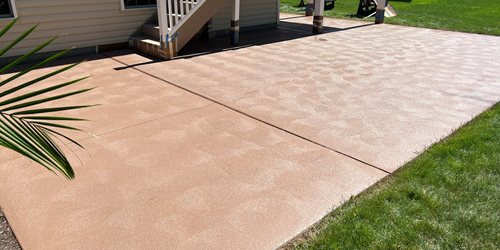
The last truck looks different from the first. The customer calls. The slab is done, the forms are stripped, and now everyone is standing around looking at two shades of the same color sitting next to each other in the same pour.
This is one of the most frustrating callbacks in the decorative concrete business, and one of the most avoidable. In nearly every case, the pigment isn't the problem. The variables that shifted between trucks are. Materials, water, finishing technique, curing: any one of these can change the color. On a multi-truck pour, several of them can be at play.
Every variable on that list is controllable before the job starts. Here's how to get ahead of them to ensure consistent color.
Did You Know? Most color consistency problems are preventable with a pre-pour conversation with your ready-mix supplier. Discussing cement source, aggregate, dosage, and the no-added-water rule for drivers takes less than an hour and can save a job. Always follow it with a mockup under actual job conditions, and save the approved result on-site as your reference standard.
The first place color goes wrong is the mix itself, before any pigment is added.
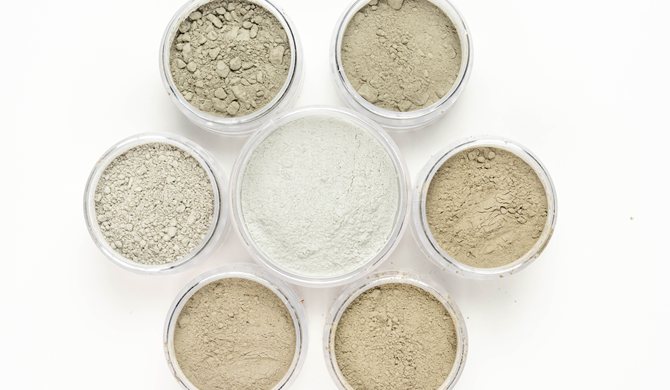
Gray cement is not a single color. Two plants running the same cement under the same mill spec can produce noticeably different finished colors even with identical dosage, the same sand, and the same aggregates. The pigment has to overpower the base gray of the cement to produce the color you see. When that base shifts between trucks, so does the result.
Aggregate source and color. Lighter sands produce lighter finishes. Darker sands produce darker results. This is especially critical on exposed aggregate work, where the eye picks up the contrast between pigmented cement paste and the sand and rock beneath it. If one pour comes from a source with light aggregate and the next from a darker source, the color will look wrong even if everything else was held constant.
Fiber choice matters. UltraFiber 500® is the only reinforcement fiber that accepts integral color evenly throughout the mix. Polypropylene fiber repels pigment, which can contribute to inconsistent results in the finished surface.
When a color complaint comes in, the first questions to ask are always:
Water is the variable that affects color most often, and it creates problems in two distinct ways on a colored pour.
Water added to the truck. The difference between a 0.44 and a 0.54 water-cement ratio is visible in the finished slab. Water dilutes both the cement and the pigment. When the ratio shifts between trucks, even modestly, the color shifts with it. If workability is the concern, use a water reducer or plasticizer to maintain slump without touching the w/c ratio.
The cleanup load is where this goes wrong most often. Five gallons added to a full ten-yard truck is a minor dilution. Five gallons added to a three-yard cleanup load at the end of the day is an exponentially larger shift. Those last yards will come out noticeably lighter.
If workability is the concern, use a water reducer or plasticizer to maintain slump without touching the w/c ratio.
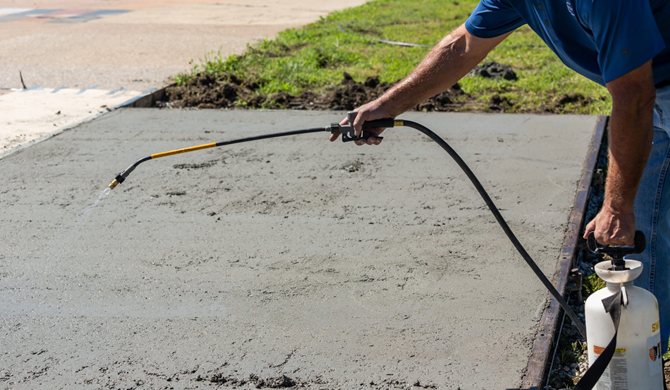
Water added to the surface. Finishers spray water on the surface to extend working time. But it lightens the color, causes blush, and creates streaking. DAY1® finishing aid addresses workability without the color problems, keeping the concrete workable longer without adding water.
On colored work, always specify a non-chloride accelerator. Calcium chloride is difficult to disperse evenly throughout the mix, which means areas with higher concentration set faster and darker than areas with less. On a large pour, that variation is nearly impossible to control, and the effect is permanent.
"The result is what we call a palomino effect. Dark in one area, light in another, just like the markings on a palomino horse. You never want that."
— McKay Tanner, Area Sales Representative, Solomon Colors
Dosage consistency is straightforward on full loads. The problem is almost always the last truck.
Use the same number of bags as a full truck on a cleanup load and the loading percentage goes up, that section comes out darker. Try to estimate and cut a bag and you introduce a different problem. Either way, the last yards of the pour don't match the first.
Nobody wants to break open 25 lb. bags and measure partial amounts on a job site. The practical approach is to work from a ratio tied to load size, established before the job starts, not calculated on the fly at the end of the day. Here's the shortcut for a standard 6-sack mix:
| Loading | Ratio |
|---|---|
| 1% | 1 bag (25 lbs) per 4 cubic yards |
| 2% | 1 bag per 2 cubic yards |
| 3% | 2 bags per 3 cubic yards |
Need to run the numbers for your specific mix? Use the Solomon Colors Color Calculator.
Once you establish the ratio, hold it across every truck. Nobody is cutting bags, nobody is on a scale, and every truck is consistent.
One more factor worth knowing: pigment bags typically carry 12 to 14 percent moisture by weight. That's water already going into the mix from the pigment itself, before a drop of mix water is added. Factor it in when dialing in a tight water-cement ratio.
Pro Tip: For high-stakes jobs where there's no room for error, the ColorSelect® Single Color Liquid System eliminates the guesswork with onsite dispensing of precise amounts by volume directly into the truck.
Need help dialing in dosage for a specific job? Your Solomon Colors account manager can work through the math with you before the pour. Call 800-624-0261.
Color doesn't just come from the mix. It comes from how the surface is finished, and inconsistent finishing shows up more visibly on colored concrete. Slight differences that nobody notices on a gray slab become a callback on a colored one.
Timing. Troweling too early works bleed water into the surface, lightening the color and causing blushing or streaking. Water added to the surface during finishing does the same thing. On hot or windy days, use DAY1® finishing aid to extend working time without adding water to the surface.
Troweling pressure. Inconsistent pressure across the slab creates visible shade differences. A lightly troweled finish with minimal passes will more closely match the spec'd concrete color than a burnished one. Power trowels are a common culprit, fewer passes and lower rotation speed reduce the risk.
Tool choice. A magnesium float produces a different color result than a steel trowel. Switching tools mid-slab introduces variation. Pick one and use it consistently across the full surface.
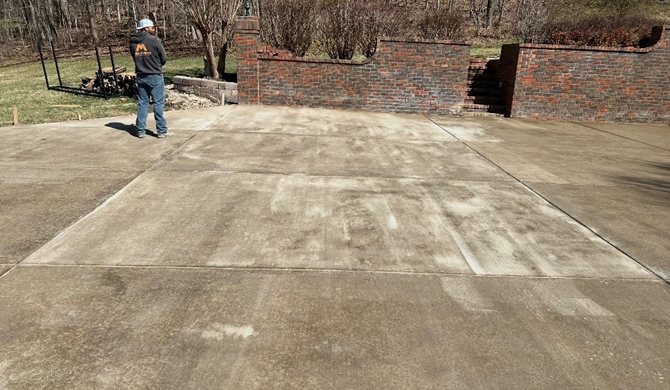
Broom consistency. Broom technique has more impact on colored concrete than most contractors expect. Moisture in the broom, bristle stiffness, pressure, direction, and even switching finishers mid-pour can all produce visible color variation. For a full breakdown, see 9 Dos & Don'ts for Colored Broom Finished Concrete.
Color hardener. Applied during finishing, Brickform Color Hardener creates a dense, pigmented wear surface that can help minimize the appearance of batch-to-batch color variation on large or multi-day pours.
Featured Product
Keep color consistent. Improve workability without adding water to the mix.
One of the biggest causes of color variation is adding water during finishing. DAY1® Finishing Aid extends working time without changing the water-cement ratio, helping maintain consistent color while improving finishability and reducing the potential for efflorescence.
Learn More
How concrete loses moisture after the pour affects both color uniformity and long-term appearance. Two practices make the biggest difference.
Apply a cure and seal immediately after finishing. Gem-Cure & Seal is the recommendation on every colored pour. Applied to freshly placed concrete, it minimizes moisture loss during the critical early cure period, enhances color, and reduces the potential for efflorescence. It dries clear and non-yellowing, so the color you poured is the color you keep.
Avoid polyethylene sheeting. Areas in contact with the plastic cure differently than areas that aren't, and the wrinkle pattern transfers directly to the finished color. Use breathable covers if protection is needed.
Before calling the rep, pull the batch tickets and work through this list.
Most color complaints trace back to one of these. The answers are almost always in the batch tickets and the pour log.
Still not sure what caused it? Call the Solomon Colors color lab at 800-624-0261. Bring the batch tickets. We'll work through it with you.
Already dealing with a color issue? Brickform Cem-Coat® Plus can even out mismatched sections, correct batch-to-batch variation, and bring a finished slab back to a consistent color.
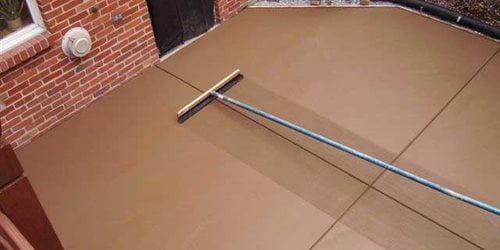
Learn how broom timing, moisture, pressure, and finishing technique affect the appearance of integrally colored concrete.

Explore integral color, stains, color hardeners, dyes, and other methods for coloring decorative concrete.
Protect color, reduce moisture intrusion, and keep decorative concrete looking its best with the right sealer.
Explore impressive concrete installations to find inspiration for your next project.
Find out how much color and fiber you'll need for any size project.